Resilience instead of Perfection
T&V Letter Q3 2022
When electricity prices rise, supply chains break, and markets fluctuate, the value of resilience becomes clear. The commentary serves as a reminder that maximum efficiency is not always the best goal. In such phases, what matters for investors is less about perfection and more about patience, diversification, and the ability to act.

Insight
Perfection can make us vulnerable, while a bit of inefficiency often creates the very stability needed to survive difficult times.
Historically speaking, the ideal time for a long-term investment is always now. Global markets continue to suffer from excessively high inflation figures and the associated interest rate hikes. In this newsletter, we would like to shed light on two drivers of inflation and show why perfection in investing is not always worth striving for.
NEWSLETTER
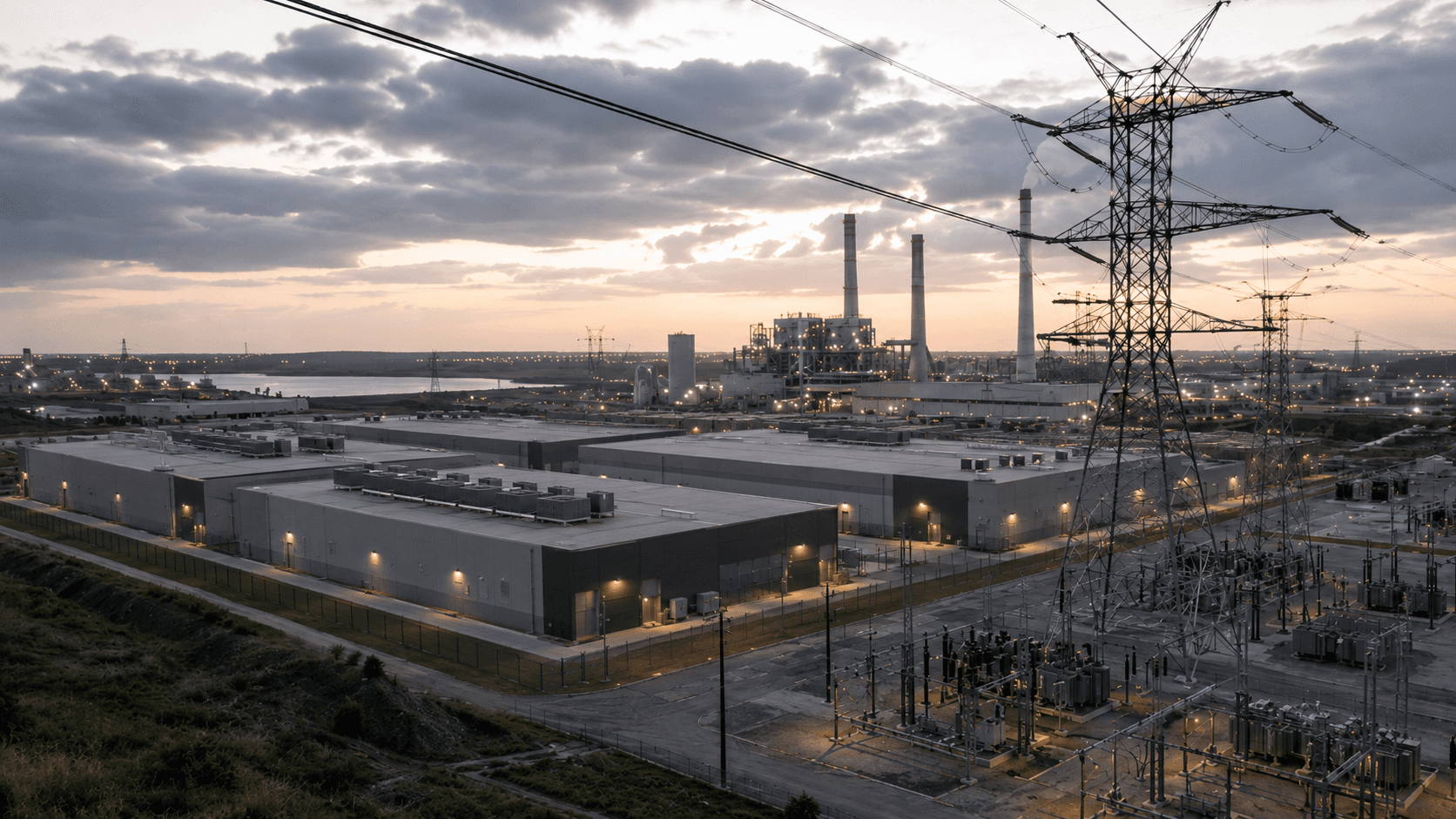
Energy crisis causes electricity prices to explode in Europe, including Switzerland too in too, including in Switzerland
The energy crisis in Europe has also arrived in Switzerland. Next year, retail customers will have to expect average price increases of 30%. Households and smaller companies are so-called "captive customers". This means they are forced to purchase electricity from their local supplier. The electricity tariff for "captive customers" consists of the energy price, transport costs, and various taxes and levies. The bill varies from municipality to municipality, depending on the level of local taxes and the procurement strategy of the local electricity supplier. Some companies produce a large share of the electricity themselves, while others buy it. Some have already signed contracts several years in advance, while others plan in the short term.
Companies in the free market that have not already purchased electricity through long-term contracts are likely to be hit hard. For the year 2023, they will have to pay up to ten times more for their electricity than for the current year. This is because the Swiss market was partially liberalized in 2009: companies with a consumption of more than 100,000 kWh per year are free to choose their electricity supplier. The rising electricity costs are likely to become a real burden for many companies and put pressure on margins if the higher prices cannot be passed on to customers.
This development is undoubtedly inflationary.
Perfection in supply chains is not always desirable
Just-in-time manufacturing - where companies do not stock the parts they need to build their products, but rely on last-minute component deliveries - has been the epitome of efficient and cost-effective operations over the last 20 years. However, COVID has shown that this calculation is not quite so simple. Super-efficient supply chains increase vulnerability to disruptions, and a small disruption can cause immense damage. This delays deliveries and causes prices to skyrocket.
We are in the midst of the largest post-war consumption boom, and companies are halting their production because they lack certain parts for further processing.
This development is undoubtedly driving inflation.
Even with investments, perfection is not necessarily worth striving for
Perfection can also be a disadvantage when it comes to investing: cash is an inefficient drag in bull markets and as valuable as oxygen in bear markets, either because you need it to survive a recession or because it is the raw material for new opportunities. Debt financing is the most efficient way to maximize your balance sheet and the easiest way to lose everything. Concentration is the best way to maximize returns, but diversification is the best way to increase the chances of owning a business capable of generating returns. If you are honest with yourself, you will find that a little inefficiency is the ideal place to be.
As with evolution, the key lies in realizing that the more you try to become perfect, the more vulnerable you are.
Significant pullbacks or even "crashes" occur regularly in the stock markets. This happened during the dot-com era after the turn of the millennium, in the 2008 financial crisis, or after the outbreak of the corona pandemic. The general public of investors then falls into a kind of shock and stays away from the markets. A phenomenon that can also be observed this year with the war in Ukraine and the turnaround in interest rates. Trading volumes are currently around 40% below the previous year's levels. An ideal entry point is awaited in order to avoid losses. The behavior of major investors and so-called stock market gurus in such situations is different. They take bold action. Because they have time and make purchases with a view to the next ten or twenty years. And they also know full well: even they, as stock market professionals, do not catch the right timing. But their liberation from paralysis pays off in the long run. Because with a long-term investment, the ideal time is statistically always now.
The cold wind is not coming, it is already blowing in your face. A marmot strategy helps to keep emotions in check: head to the burrow and wait. Have patience. Times will get better again. The factual situation can change rapidly, because stock markets are forward-looking.
We are not perfectly positioned at the moment: increased cash ratio, no debt financing & broadly diversified
As always, we thank you for the trust you have placed in us!
*This communication is for informational purposes only and does not constitute a personal recommendation or an independent financial analysis.
*By entering your email address, you agree to receive updates and communications from us. You can unsubscribe at any time.